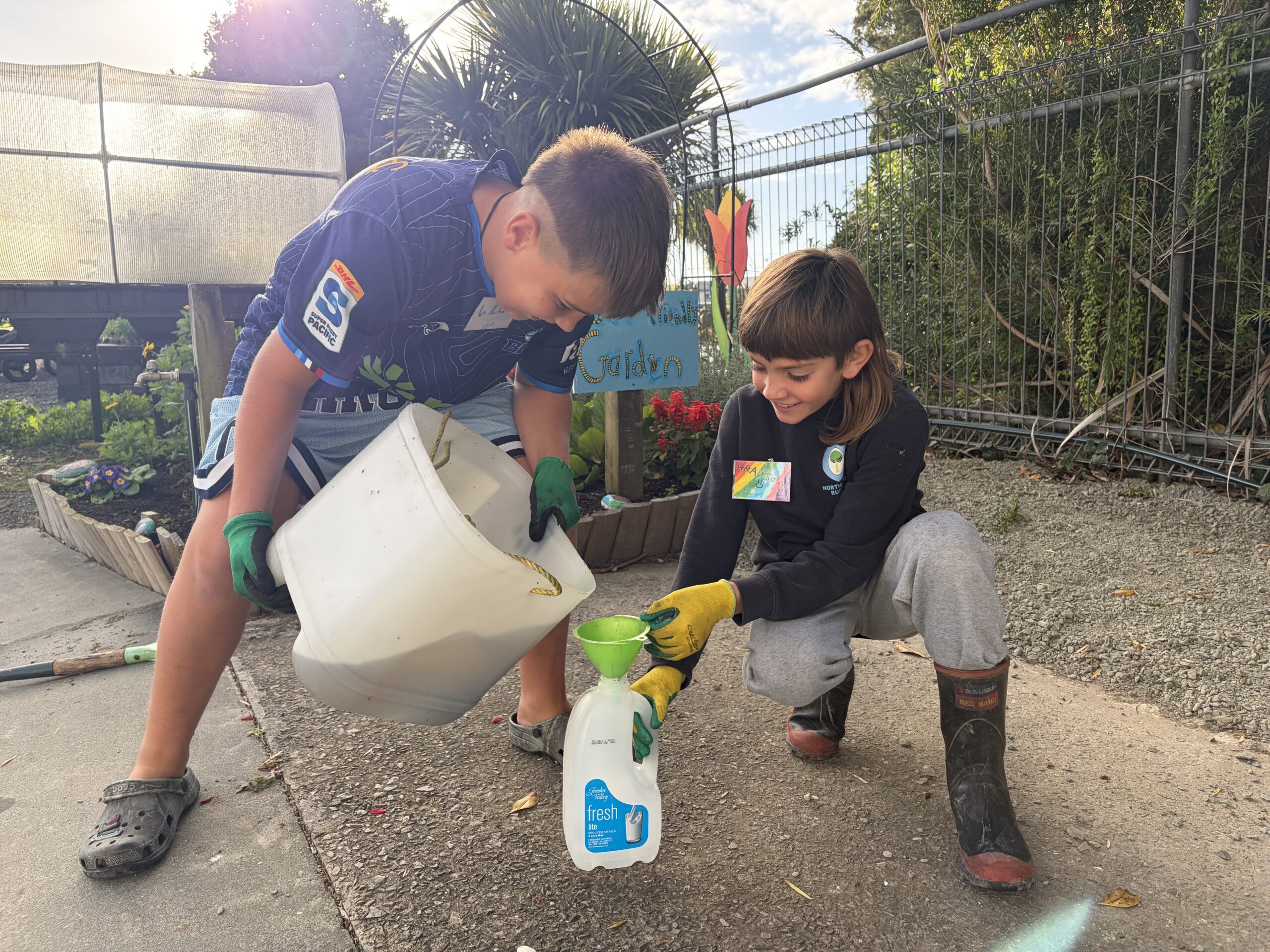
This term, we’ve had the pleasure of working with several fantastic rural schools, helping students actively engage with composting, worm farms, and gardening. Here’s a look at some of the highlights:
Maungaturoto Primary
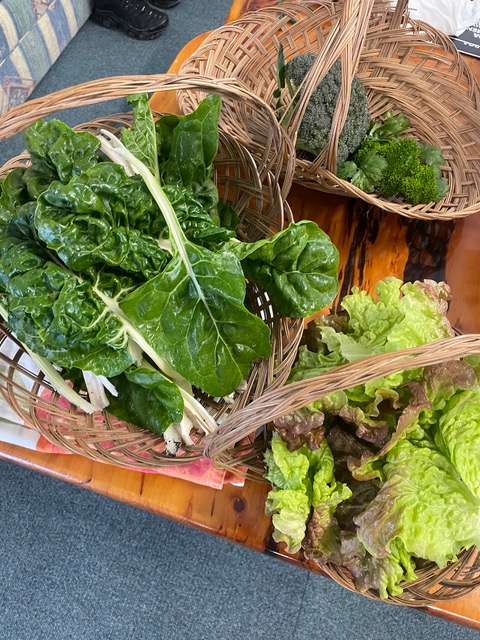
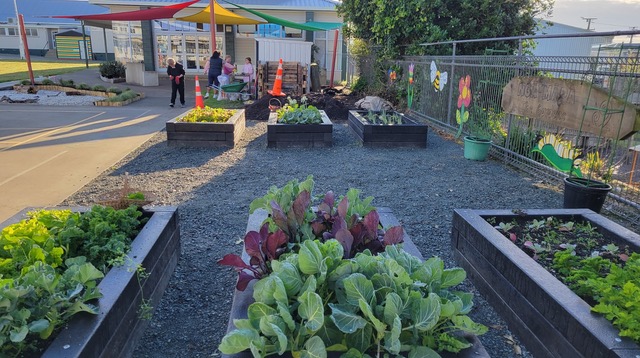
At Maungaturoto Primary, the Garden to Table classes have been thriving. Half the class spends time in the mara, tending the garden beds, learning about compost, and caring for the worm farms. The other half heads to the kitchen, preparing delicious meals using vegetables from the garden and eggs from the school chickens.
Three worm farms that were previously struggling have been brought back to life and are now thriving, alongside a new pallet compost bin. The students are fully engaged in the whole process, from soil to plate.
Kaihu Valley School
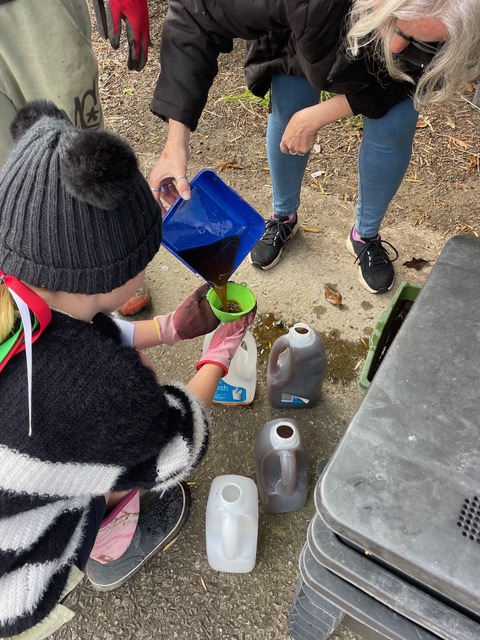
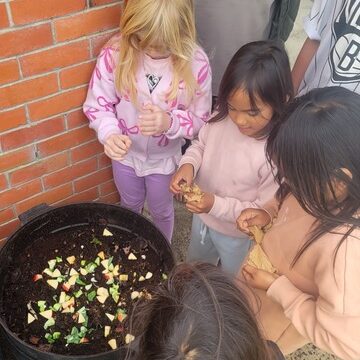
Kaihu Valley School is bouncing back with renewed energy for sustainability. They were eager to revive their worm farm, and we helped clean it out. Finding some hardy worms still at the bottom! The students carefully layered bedding, food, and worms, covering it all with a wool blanket.
They also maintain a compost bin, and they are excitedly working on new garden projects. The students’ care and focus throughout the process were wonderful to see.
Aranga School
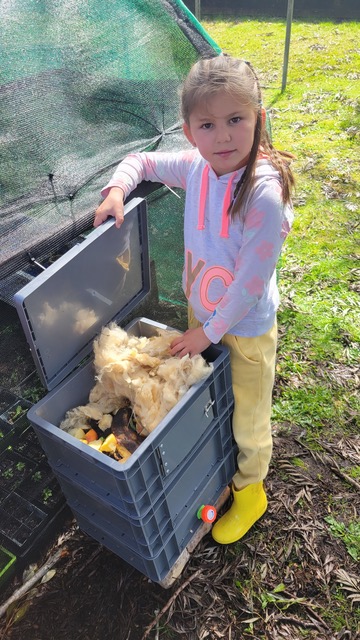
At Aranga School, we started a worm farm from scratch. The students had already been learning about how worm farms work, and they were totally engaged in building it, carefully layering in bedding, food, and worms. The new worm farm sits next to their impressive bug hotel and little shade house.
We also reviewed their waste streams and were thrilled to see such enthusiasm for sustainability from this rural school. Their curiosity and commitment are inspiring.
Pouto School
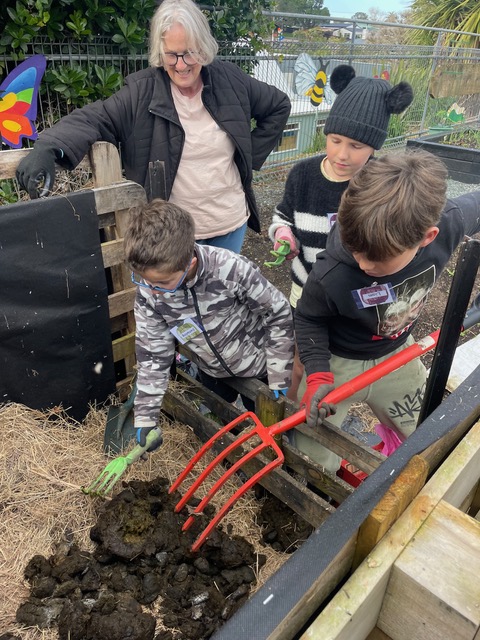
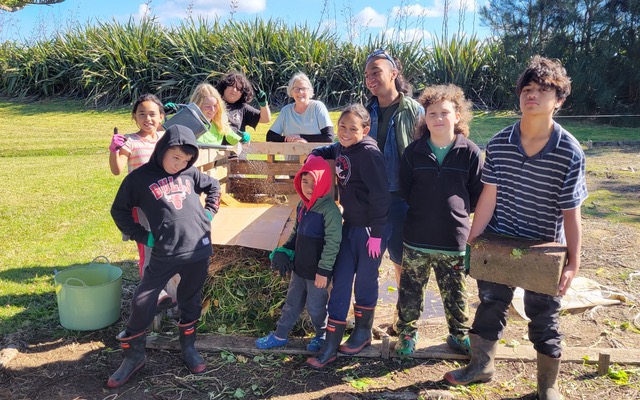
Pouto School went all out with their compost project. They collected pallets for the bin framework and an impressive array of composting materials. We started with a layer of cardboard, added small branches for airflow, and then layered in shredded newspaper, plant matter, hay, and horse manure. A final watering got the compost heap off to a great start.
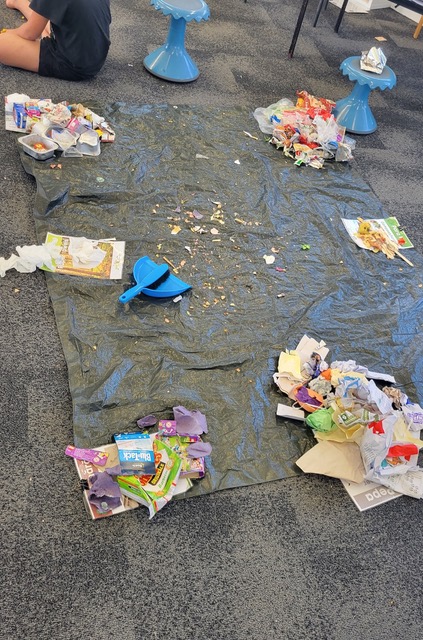
The students were incredibly engaged asking thoughtful questions, following instructions carefully, and working as a team. This workshop was one of the most impressive we’ve had, showcasing the students’ dedication and enthusiasm for sustainability.
It’s inspiring to see these rural schools taking such an active role in environmental education. From worm farms to compost heaps, the students are learning practical skills that will benefit them and the planet for years to come.
Get your school involved!
We have spaces available for next term. If your school wants to start a worm farm, compost system, or experience one of our other sustainability workshops, we’d love to help. Contact us today and we can support your school on your sustainability journey.
Written by Margaret Baker